Sudden loss of mobility: act immediately
Contact a veterinary practice or emergency service promptly if your dog suddenly cannot walk, shows severe pain, drags the hind legs, has breathing problems or behaves unusually after an accident. Move the dog as little as possible and follow the practice's transport instructions.
Common reasons for reduced mobility
Possible causes range from injuries and spinal or joint problems to neurological disease, infection or general weakness. Arthritis and loss of muscle may contribute in older dogs. Only a veterinary examination can determine the likely cause.
Useful observations include: When did the problem begin? Was it sudden or gradual? Which legs are affected? Is your dog eating and drinking? Was there a fall, surgery or recent change in medication?
Make daily life easier after diagnosis
Depending on veterinary advice, non-slip mats, ramps, a well-fitting support harness, adapted short exercise sessions and a quiet bed may help. Keep food, water and the sleeping area easy to reach.
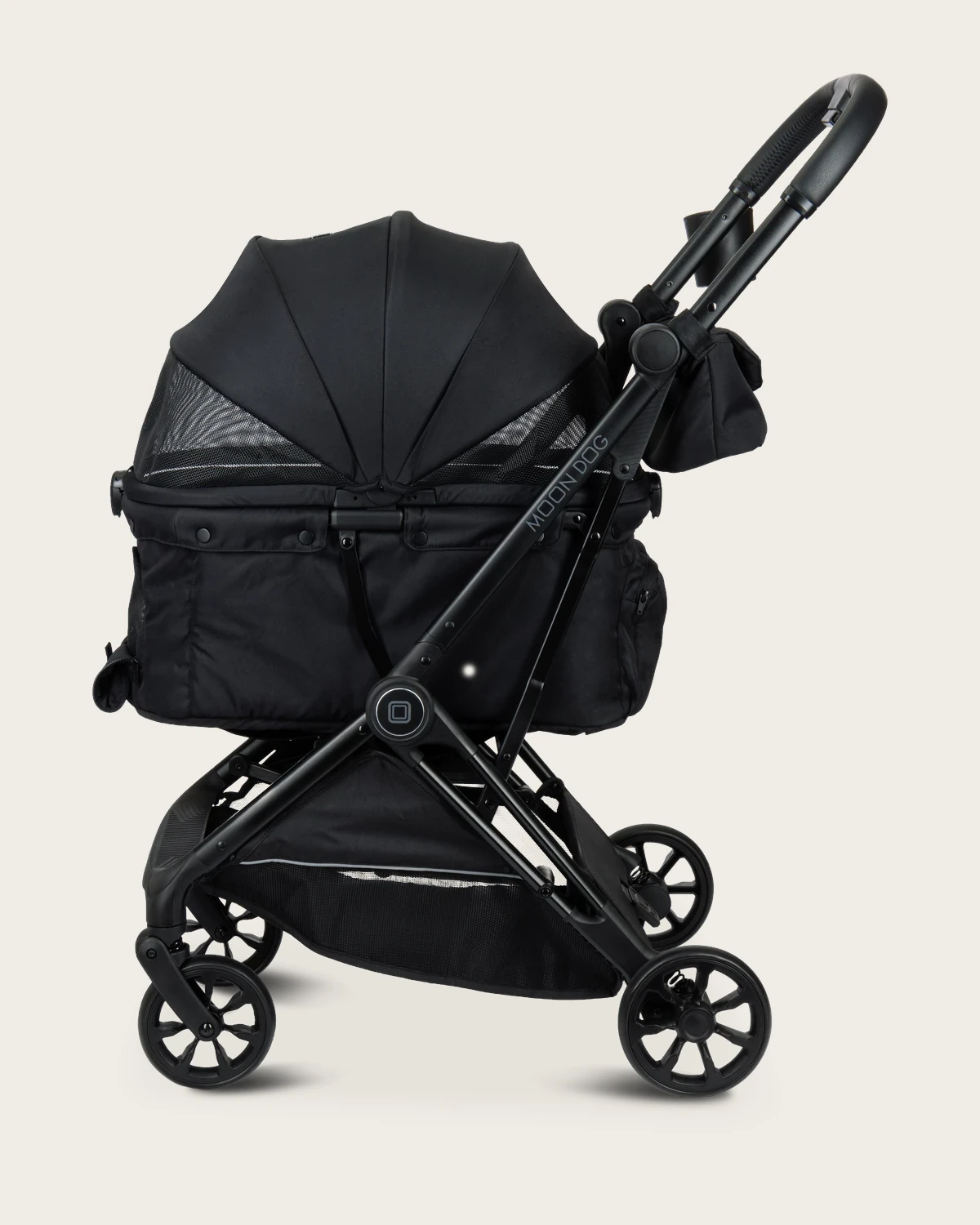
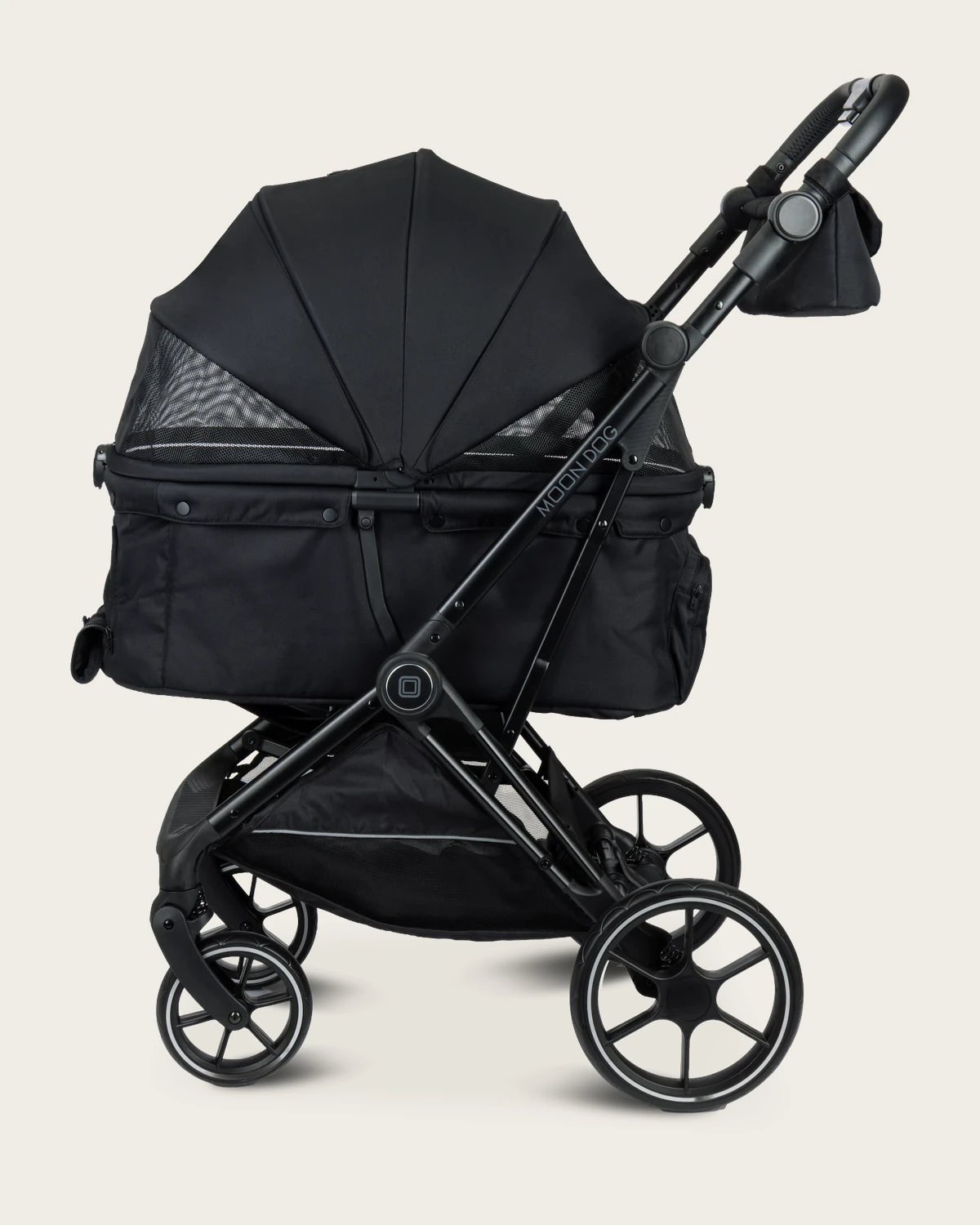
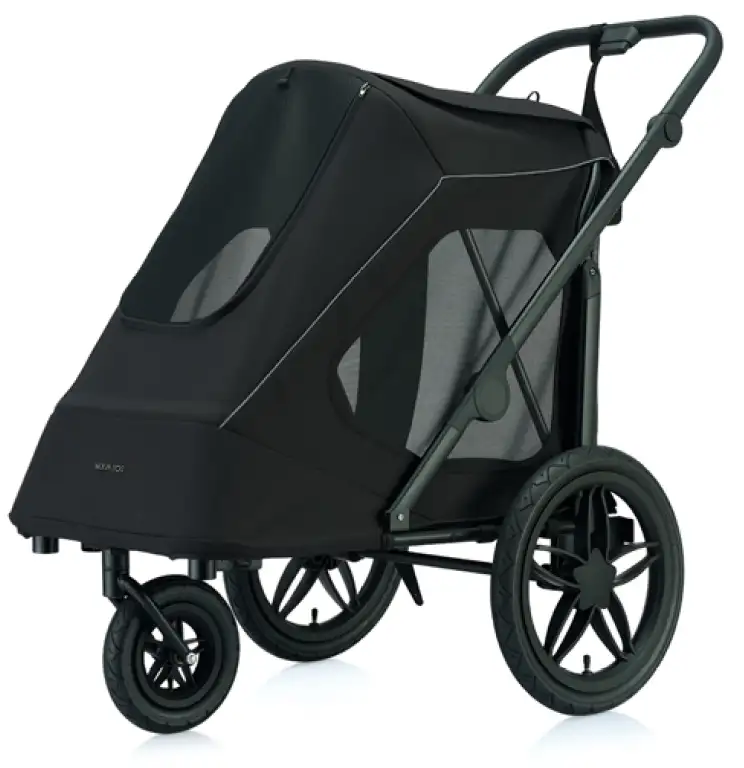
A dog stroller can make shared outings possible with controlled walking breaks. Your dog can walk short approved sections and rest afterwards. Attach the internal tether to a harness and engage the parking brake whenever your dog enters or leaves.
Which model may fit?
City is compact for smaller dogs up to 8 kg. Country gives dogs up to 15 kg more ride comfort on mixed routes. Trailer Outdoor is designed for larger dogs up to 35 kg. Always check internal dimensions and entry height as well as weight.
Introduce the stroller gradually
Set up the braked stroller at home first. Reward voluntary exploration, then begin with very short rides. The stroller should become a calm, safe place rather than another source of stress.